Eyebox and EEG Diagnostics

Confirming Brain Injury with EyeBox and EEG

At TouchPoint Injury and Neuro Group, we don’t rely on clinical impressions alone. We believe that objective diagnostic confirmation is essential for accurate TBI diagnosis and effective treatment planning.

After our physician performs a comprehensive neurological evaluation, we use two advanced tools EyeBox and EEG to confirm and quantify brain dysfunction. These technologies provide measurable, non-invasive biomarkers that support clinical findings and help us tailor each patient’s recovery path.
EyeBox: Eye-Tracking for Neurological Impairment

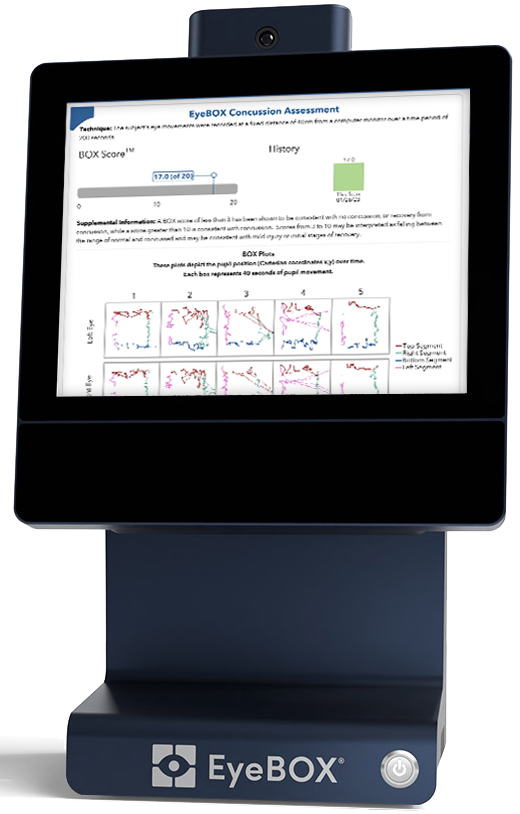
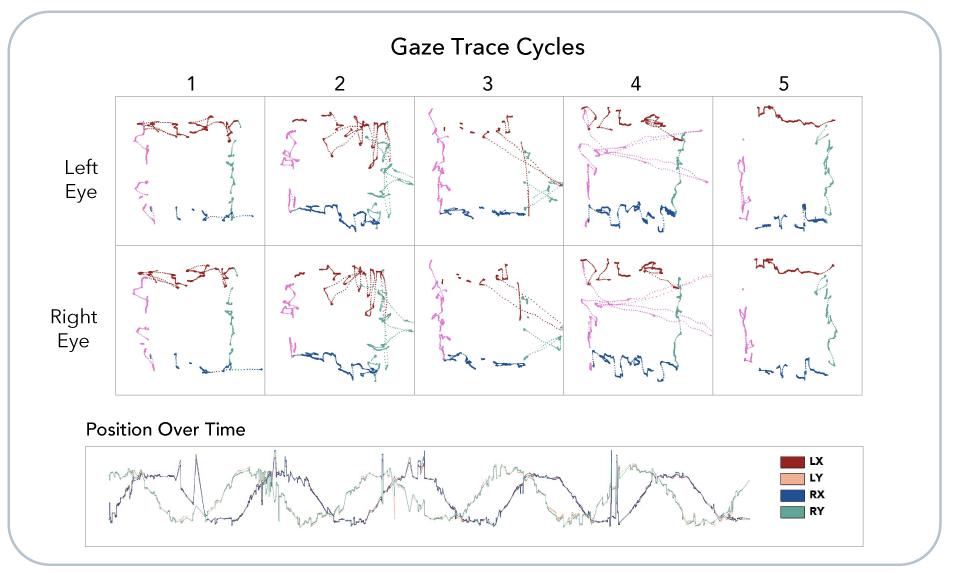
EyeBox is a cutting-edge, FDA-cleared eye-tracking device that detects neurological disruption by analyzing how a patient’s eyes move while following a visual stimulus.

How It Works:

The test takes just 4 minutes and requires no patient input. The system tracks microscopic eye movements which are controlled by multiple brain pathways and uses that data to identify signs of brain dysfunction.
Because eye movement is closely regulated by the brain’s frontal lobe, brainstem, and cranial nerves, any injury that disrupts normal brain signaling will subtly alter how the eyes track movement.

Why We Use It:

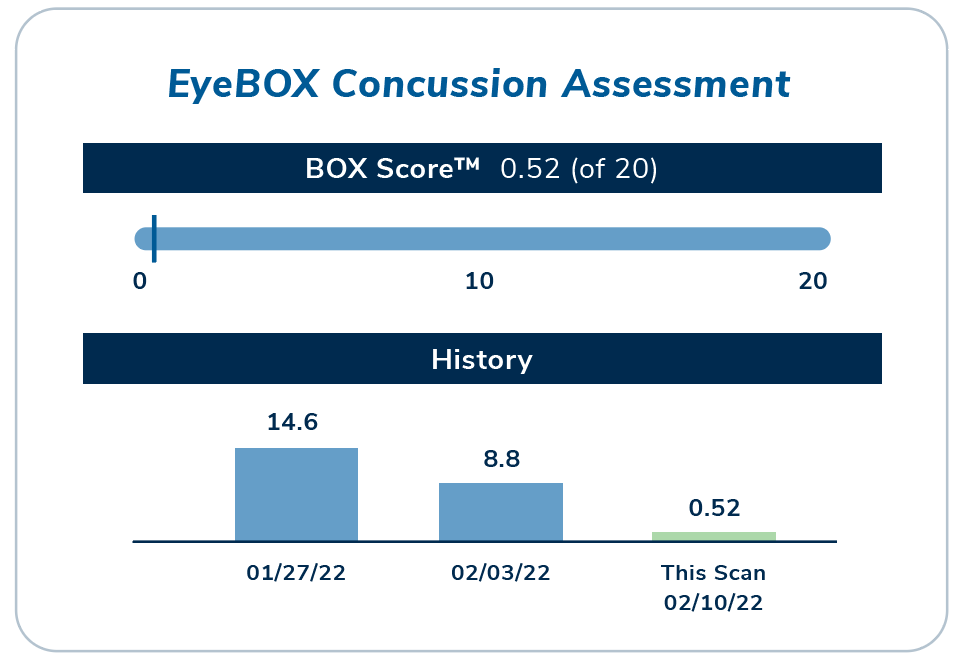
The EyeBox Score adds a layer of diagnostic certainty and can track neurological recovery over time, providing patients and providers with actionable data.

EEG and qEEG: Measuring Brainwave Activity

Electroencephalography (EEG) is a time-tested, non-invasive test that records the brain’s electrical activity in real time. At TouchPoint, we take it a step further by using quantitative EEG (qEEG) to provide a data-driven map of brainwave function.

How It Works:

During an EEG, sensors are placed on the scalp to measure different frequencies of brainwaves (alpha, beta, delta, and theta). qEEG software then analyzes this raw data to identify abnormal patterns and compare them against normative databases.

This allows us to assess functional brain activity something structural scans like MRI and DTI can’t measure alone.

Why We Use It:

EEG and qEEG are especially valuable in patients with symptoms like brain fog, poor concentration, slowed processing, or emotional instability, providing a neurophysiological explanation for what they’re experiencing.

A Complete Diagnostic Framework

When combined with physician evaluation and advanced imaging (like DTI), EyeBox and EEG help us create a layered, objective foundation for diagnosing and managing traumatic brain injury. These tools don’t replace clinical judgment they enhance it, confirming that what we observe in the exam is reflected in the patient’s brain function.

This multimodal approach allows TouchPoint to offer unmatched diagnostic precision and personalized care especially in cases where standard imaging fails to explain persistent symptoms.

If you’ve been told your imaging is “normal” but you’re still not feeling right, EyeBox and EEG may reveal what others have missed. Contact us today to schedule a comprehensive TBI evaluation.